Explore Alpha-Stim for Treating Anxiety, Insomnia, Depression & Pain
Alpha-Stim neuromodulation devices are FDA-cleared and proven to help you reduce anxiety, sleep better and longer, reduce pain, and relieve depression*.
Proven Results
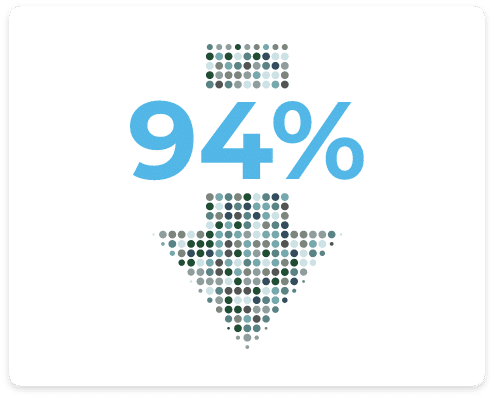
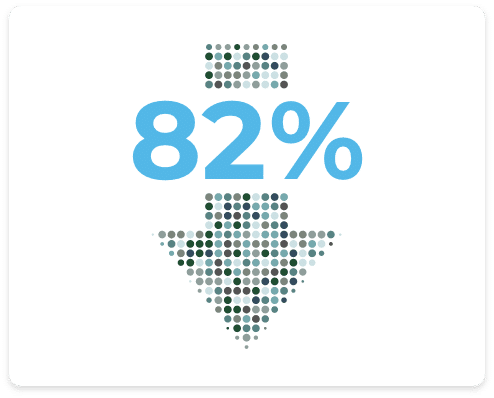
Overall Decrease in Anxiety
Improved Sleep Quality
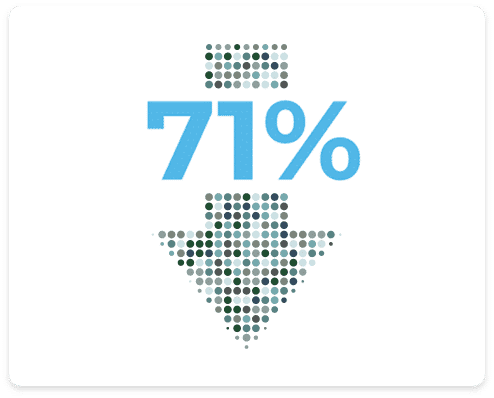
Severe Pain Reduction
In a study of patients with severe pain, Alpha-Stim M significantly reduced pain by an average of 71% after only five treatments.3
Decrease in Depression
Commonly Asked Questions about Alpha-Stim
We’ve gotten a few questions over the years about how Alpha-Stim neuromodulation devices work for treating anxiety, insomnia, and pain. See below for some of our most common questions and answers.
Does Alpha-Stim actually work?
Alpha-Stim has been shown to be effective in the treatment of anxiety, insomnia, depression, and pain, supported by decades of clinical research, including peer-reviewed studies and clinical trials. On average, Alpha-Stim helps more than 90% of patients.* Some individuals notice benefits quickly, while for others it may take several weeks of consistent use.
While the majority of users experience positive results, Alpha-Stim may not be effective for everyone. For this reason, we offer a 30-day return policy to ensure peace of mind as you explore whether Alpha-Stim is right for you.
Talk with a doctor via telehealth about whether Alpha-Stim is right for you >
*Real-world data was obtained through a patient survey evaluating the outcomes associated with the use of Alpha-Stim in adherence to prescribed protocols. This data complements clinical testing and provides additional insights into the use of the device. For comprehensive evidence and detailed information regarding clinical studies on Alpha-Stim, please visit: www.alpha-stim.com/research.
What are the Alpha-Stim benefits?
Alpha-Stim offers several physical and mental health benefits. These include: reduced anxiety levels, improved sleep quality, longer sleep duration, decreased pain levels, and decreased depression*. Patients over the last few years have also said they feel calmer and relaxed, more focused, and more well-rested after using Alpha-Stim. View some patient testimonials here.
Talk with a doctor via telehealth about whether Alpha-Stim is right for you >
What are the dangers of Alpha-Stim?
One of the things we love about Alpha-Stim is that, unlike many prescription medications for anxiety, insomnia, depression*, and pain, Alpha-Stim doesn’t pose the risk of addiction or the severe side effects medications can cause.
People with implanted pacemakers or implanted or wearable defibrillators, and who are pregnant, should not use Alpha-Stim. With Alpha-Stim, adverse effects are usually rare (occurring less than 1% of the time), and are mild, and self-limiting.
The potential effects of using Alpha-Stim for some people include feeling dizzy, headaches, or potential skin irritations. See more about indications and risks here.
What is Cranial Electrotherapy Stimulation?
Great question! Cranial Electrotherapy Stimulation, or CES, is a non-invasive treatment that uses low-intensity electrical currents to stimulate the brain. CES aims to normalize brainwave activity and potentially alleviate symptoms associated with anxiety, depression*, insomnia, and pain.
Alpha-Stim CES specifically is a form of non-invasive brain stimulation that applies a patented, low-amplitude waveform to the brain via earclip electrodes. Why do we use CES? Psychiatric disorders, such as anxiety and insomnia, are associated with alterations in electrical activity in large-scale brain networks.
And research suggests Alpha-Stim CES modulates large-scale brain network activity patterns in two synergistic ways, which you can learn more about here.
Is Alpha-Stim a VNS device?
No. Alpha-Stim is a CES device. Due to the similarity in using an electrical current or earclip electrode application, Alpha-Stim can commonly be misidentified as a VNS device or auricular vagus nerve stimulation (aVNS) devices.
And while Alpha-Stim does interact with the vagus nerve, there are key differences in the types of stimulation Alpha-Stim utilizes and the brain regions it targets.
Does Alpha-Stim Stimulate the Vagus Nerve?
Yes.
Alpha-Stim isn’t specifically designed to target the vagus nerve like dedicated vagus nerve stimulation (VNS) devices. However, its cranial electrotherapy stimulation (CES) does engage neural pathways that include vagal function (the vagus nerve), which may contribute to some of the clinical benefits seen with the device.
To better understand how Alpha-Stim works, Ryan Gober, PhD, the Medical Science Liaison at Electromedical Products International, explains:
“Alpha-Stim uses a low intensity, patented waveform delivered through bilateral earclip electrodes to modulate cortical activity in the temporal lobe of the brain and to stimulate nearby key cranial nerves, including the vagus, trigeminal, and vestibulocochlear nerves that project to deeper subcortical brain structures. Through these two synergistic mechanisms, Alpha-Stim has been shown to modulate activity in the default mode network (DMN), which is widely reported to exhibit altered connectivity in a number of mental health conditions, including anxiety and insomnia.”
Do I need both Alpha-Stim and a VNS device?
The short answer? No. See why below.
VNS devices are designed specifically to target the vagus nerve, whereas Alpha-Stim works in a broader capacity through cranial electrotherapy stimulation (CES) delivered via the earlobes. This approach interacts with vagal pathways along with other cranial nerve networks, which is part of why Alpha-Stim is FDA-cleared for the treatment of anxiety, insomnia, and pain only, with approval for depression outside of the United States.
To better understand how Alpha-Stim works, Ryan Gober, PhD, the Medical Science Liaison at Electromedical Products International, explains:
“Alpha-Stim uses a low intensity, patented waveform delivered through bilateral earclip electrodes to modulate cortical activity in the temporal lobe of the brain and to stimulate nearby key cranial nerves, including the vagus, trigeminal, and vestibulocochlear nerves that project to deeper subcortical brain structures. Through these two synergistic mechanisms, Alpha-Stim has been shown to modulate activity in the default mode network (DMN), which is widely reported to exhibit altered connectivity in a number of mental health conditions, including anxiety and insomnia.”
Does Alpha-Stim interact with the vagus nerve?
Vagus nerve stimulation (VNS) and VNS devices are often promoted for improving mood, emotional regulation, depression, and pain.
Alpha-Stim does interact with the vagus nerve, but there are key differences in the types of stimulation Alpha-Stim utilizes and the brain regions it targets.
- Alpha-Stim delivers its patented cranial electrotherapy stimulation (CES) waveform through small clips on both earlobes. While the stimulation begins at the ear, the resulting electric fields extend beyond the clip sites to influence nearby cranial nerves, including the auricular branch of the vagus nerve.
- What sets Alpha-Stim apart from a VNS device is that its fields don’t stop at the nerves outside the skull; they also pass through the bone to reach cortical layers of the brain. This direct brain engagement allows Alpha-Stim to modulate activity in brain regions such as the temporal lobe and in broader brain networks that are often dysregulated in anxiety and insomnia.
- By influencing both cranial nerves and cortical circuits, Alpha-Stim offers a distinct mechanism that helps normalize signaling in functional networks tied to these conditions.
Is Alpha-Stim better for anxiety than a VNS device?
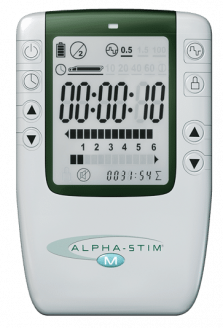
Regulatory authorization differs across VNS and non-VNS devices. Alpha-Stim is FDA-cleared (Class II) with defined, labeled indications, whereas other non-invasive products are often marketed in the United States solely as general-wellness devices (GWDs) and are not cleared to treat medical conditions. Alpha-Stim CES is cleared for the treatment of anxiety and insomnia, and Alpha-Stim M’s MET technology is cleared for pain management.
In practical terms, FDA clearance means the device has been reviewed in accordance with applicable regulatory requirements for specific medical indications, and the manufacturer has provided supporting evidence—including performance testing and clinical data—demonstrating that the device meets FDA expectations for safety, performance, and labeling. In contrast, general wellness products are not reviewed or cleared by the FDA for specific medical claims or indications.
Always verify each device’s clearance, labeling, and supporting evidence when choosing a treatment option.
As such, Alpha-Stim offers a unique combination of mechanistic overlap with vagus nerve–targeting devices and the regulatory assurance of FDA clearance for clinical use. (Outside the United States, Alpha-Stim is approved for treating anxiety, insomnia, and pain, as well as depression.)
In conclusion, clinical research suggests Alpha-Stim CES works via a multimodal mechanism involving indirect stimulation of the vagus nerve as well as cortical brain regions that have been linked to anxiety and insomnia.
Moreover, Alpha-Stim is evidence-based, with numerous clinical studies supporting FDA clearance to treat symptoms of anxiety and insomnia as reflected in the device’s labeling. This combined stimulation of cranial nerves and cortical brain regions, along with differences in regulatory authorization, distinguishes Alpha-Stim from devices focused solely on non-invasive VNS/aVNS.
Is Alpha-Stim the same as other CES devices?
No. Not all CES devices are the same. And this is why researching a device is critical. Below are some things that make Alpha-Stim stand out from other CES devices in the market:
- Alpha-Stim uses a patented waveform, making the stimulation it uses distinct from other CES devices.
- Decades of clinical evidence demonstrates safety and long-term efficacy.
- Alpha-Stim delivers cumulative results that build over time for long-lasting anxiety, insomnia & depression* relief.
- Alpha-Stim stimulates the brain to normalize the pathological signaling in the default mode network that is observed in psychiatric disorders, providing rapid, effective, and lasting symptom relief without the side effects of medication [In simpler terms, Alpha-Stim CES modulates the brain network associated with anxiety, insomnia, and depression to help bring it back to “normal”]
- Alpha-Stim also offers the ability to treat pain. This is another differentiator between other CES devices and Alpha-Stim.
Are there benefits to using Alpha-Stim as a complement to TMS?
Transcranial Magnetic Stimulation (TMS) primarily treats depression, but for many individuals, depression is not the only mental health issue.
Alpha-Stim may be a practical component of comprehensive care alongside TMS because it is FDA-cleared for anxiety and insomnia, can be used conveniently at home, and is generally well tolerated.
By supporting symptom relief beyond depression alone, Alpha-Stim may help improve patient comfort, engagement, and potentially contribute to stronger long-term treatment outcomes.
Can Alpha-Stim help TMS patients with anxiety?
Alpha-Stim can provide Transcranial Magnetic Stimulation (TMS) programs with a unique ability to begin treating patients before TMS by proactively addressing anxiety and insomnia at home.
See below for an outline of how easily Alpha-Stim integrates into the TMS patient journey:
- Pre-TMS: Support patients on waitlists by providing access to at-home neuromodulation solutions to offer relief from anxiety and insomnia symptoms.
- In-clinic: Reduce pre-procedural anxiety to enhance patient comfort prior to undergoing TMS.
- Between TMS Sessions: Management of anxiety and insomnia symptoms outside of the clinic.
- Post-TMS: Strengthen therapeutic alliance with patients post-discharge by offering continued non-pharmacological treatment for anxiety and insomnia.
Should I use Alpha-Stim along with another device, like a VNS device?
If you’re considering stacking Alpha-Stim with another device, pause.
Alpha-Stim is FDA-cleared to treat anxiety, insomnia, and pain, making it a strong primary treatment option. You can use Alpha-Stim along with other treatment modalities, but using it along with a VNS device or other CES device is not necessary.
See why you don’t need a VNS device and Alpha-Stim >
Alpha-Stim is a great option to use to complement TMS though! See why here.
Speak with your healthcare provider before using Alpha-Stim alongside other modalities or treatments. There has been no evidence of drug interaction in 40 years of research and use of Alpha-Stim. Medication change is a decision that should be discussed with your healthcare practitioner.
What Patients & Providers Say
About Alpha-Stim
Former President, American Association of Police Officers; Former President, Homeland Crisis InstituteTexas

Drug-Free Anxiety and Insomnia Option for First Responders, Veterans, and Military
When it comes to mental health care, medication is often not an option for first responders, and for Veterans and military personnel, it’s not a first choice. Alpha-Stim is a CES device that provides a drug-free option for anxiety and insomnia treatment. This means first responders can do their job unimpaired while caring for themselves, and Veterans and active-duty service members can get the care they need without the medications and side effects they dislike.
We’re also proud to offer special discounts to these individuals.
Take Charge of Your Life with Alpha-Stim
telehealth
Visit
- 1 Lichtbroun AS, Raicer MMC, Smith RB. The treatment of fibromyalgia with Cranial Electrotherapy Stimulation. Journal of Clinical Rheumatology. 2001; 7(2):72-78.
- 2 Lichtbroun AS, Raicer MMC, Smith RB. The treatment of fibromyalgia with Cranial Electrotherapy Stimulation. Journal of Clinical Rheumatology. 2001; 7(2):72-78.
- 3Holubec JT. Cumulative response from Cranial Electrotherapy Stimulation (CES) for chronic pain. Practical Pain Management. 2009; 9(9):80-83.
- 4Barclay TH, Barclay RD. A clinical Trial of cranial electrotherapy stimulation for anxiety and comorbid depression. Journal of Affective Disorders. 2014; 164:171-177. Presented at the American Psychological Association National Conference, Honolulu, July 2013.